Best Modular Solutions for Co Working Spaces: Insights from Top Indian Manufacturers
Co working spaces have grown into one of the most dynamic segments of the commercial real estate market, driven by flexible work cultures, entrepreneurial ecosystems, and increasing demand for collaborative environments. As these shared spaces continue to evolve, furniture design has become a strategic element influencing user comfort, brand perception, operational efficiency, and occupancy rates. Across major cities, Indian manufacturers have played a pivotal role in developing modular solutions that cater specifically to the fluid needs of co working environments. With innovative materials, multi functional layouts, and ergonomic engineering, modular furniture has become the backbone of modern co working spaces, supporting diverse teams, fluctuating footfalls, and fast paced business operations.
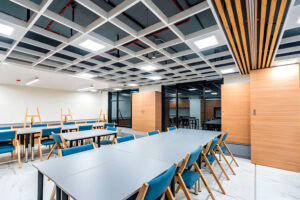
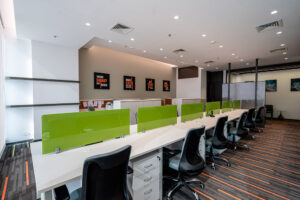
The most impactful aspect of modular furniture in co working spaces is its flexibility. Co working environments host freelancers, small teams, corporates, and even hybrid setups, all of whom use the space differently. Traditional fixed furniture cannot accommodate such diverse needs, but modular layouts allow seamless reconfiguration. Manufacturers design cluster workstations that expand or contract based on membership demand, movable partitions that create meeting zones within minutes, and modular tables that can be rearranged to support workshops, events, or brainstorming sessions. This ability to adapt creates value for co working operators, enabling them to monetise every square foot efficiently while offering clients a workspace that never feels rigid or restrictive.
Another critical element in co working design is ergonomics. Users spend several hours in these shared spaces, often transitioning between focus work, collaboration, calls, and discussions. Indian manufacturers understand this behavioural pattern and create modular seating solutions with adjustable back support, pressure relief cushions, and ergonomic contours that promote healthy posture. Height adjustable desks and sit stand systems help reduce fatigue and improve productivity throughout the day. This user centric approach has positioned modular furniture as an essential component of wellness focused co working spaces, where comfort directly influences membership retention.
Aesthetic identity is equally important. Co working brands compete not only on functionality but also on their visual appeal. The design of furniture plays a major role in creating a space that feels energetic, modern, and aligned with the brand’s personality. Modular furniture offers abundant possibilities, from vibrant colour palettes to minimalistic tones, depending on the theme of the workspace. Manufacturers provide options in matte textures, premium laminates, wooden finishes, soft seating fabrics, and metal accents that allow each co working centre to build its own identity. A well designed interior enhances the brand’s marketability and strengthens its ability to attract startups, freelancers, entrepreneurs, and creative professionals.
Indian manufacturers have also excelled in designing collaborative zones that support interactive workstyles. Co working spaces thrive on community, discussion, and team synergy. Modular lounge seating, discussion pods, open collaboration benches, and casual meeting nooks encourage users to engage more freely. These zones are designed using acoustically treated materials, soft seating options, and modular backdrops that create a sense of privacy without isolating users. Such innovations help co working spaces provide dedicated areas for quick meetings, brainstorming sessions, or informal networking activities that define the essence of shared work culture.
Storage solutions have become another area where modular systems shine. Co working users need secure, personal, and sometimes short term storage without cluttering the space. Manufacturers design compact lockers, modular shelving systems, mobile pedestals, and wall mounted units that optimise vertical and horizontal space efficiently. These storage solutions are designed to blend with the overall aesthetic while providing strong, reliable, and organised spaces for user belongings. Additionally, modularity allows co working operators to scale storage capacity according to membership volume, helping them maintain order during peak occupancy.
Technology integration is now central to furniture design, especially in co working environments where connectivity and convenience are critical. Manufacturers create modular systems with built in cable management, USB stations, power sockets, and routing channels that eliminate clutter and enhance usability. Meeting room tables include concealed ports for presentations, while individual desks feature integrated power solutions to support multiple devices. This tech enabled approach ensures seamless workflows and reduces the logistical burden on co working operators.
Acoustic control has also become a prominent requirement. Co working spaces often balance open layouts with private environments, and noise management is crucial for productivity. Manufacturers use modular acoustic panels, sound absorbing desk dividers, and noise controlled meeting pods to reduce distractions. These modular acoustic solutions help maintain a professional atmosphere even in high traffic work areas, ensuring that members can work comfortably without disruptions.
Durability is another area where modular furniture adds immense value. Co working spaces witness heavy daily usage, and furniture must withstand constant movement, frequent rearrangement, and high user turnover. Manufacturers use quality materials, reinforced structures, and advanced finishing techniques to ensure that workstations, chairs, and lounges maintain their form and finish over time. Easy maintenance, replaceable components, and strong build quality reduce operational costs for co working businesses and increase the lifespan of furniture installations.
One of the biggest advantages modular systems offer is future scalability. As co working brands expand across new locations or upgrade existing ones, modular furniture allows them to maintain design consistency. Components can be replicated, replaced, or enhanced without starting from scratch. This scalability supports rapid expansion, reduces capital expenditure, and helps brands maintain a unified interior identity across multiple centres.
In addition to functionality, modular solutions also support sustainability. Many manufacturers use eco friendly boards, recyclable materials, low VOC laminates, and water based adhesives to reduce environmental impact. Co working brands aiming for green certifications or sustainable positioning benefit from these responsible manufacturing practices. Sustainable modular furniture not only enhances brand reputation but also appeals to conscious users seeking environmentally responsible workspaces.
As the co working industry continues to expand across India, the role of modular furniture will become even more central. The ability to adapt quickly, support diverse working styles, incorporate technology, and offer long lasting durability makes modular systems indispensable. With top Indian manufacturers driving innovation, co working spaces can continue offering dynamic, efficient, and beautifully designed environments that empower teams and individuals alike. In a world where flexibility defines the modern workplace, modular solutions stand out as the foundation of the next generation of shared workspaces.