Modular Furniture vs Traditional Furniture: Cost, Durability & Customization Comparison
The decision between modular furniture and traditional furniture has become increasingly important for homeowners, businesses, architects, and interior designers. As living spaces evolve and work environments shift toward flexibility, the expectations from furniture have also changed. While traditional carpenter made furniture dominated for decades, modular systems have emerged as a modern, practical, and highly adaptable alternative. Evaluating the differences between these two options requires a close look at cost, durability, customization, installation efficiency, maintenance, and long term value. Understanding these factors helps users make informed choices that align with their lifestyle, design preferences, and functional needs.
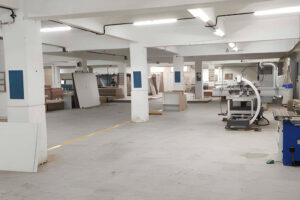
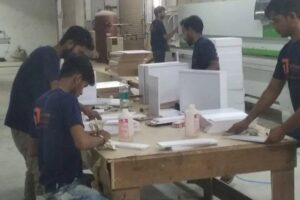
One of the most notable differences between modular and traditional furniture lies in the construction process. Traditional furniture is built manually onsite by carpenters, making craftsmanship heavily dependent on individual skill levels. This often leads to inconsistencies in finishing, inaccuracies in measurements, and longer project timelines. In contrast, modular furniture is manufactured in controlled factory environments using precision machinery. Each component is cut, edged, and assembled to exact specifications, ensuring consistent quality and refined finishes. This controlled production environment gives modular furniture a distinct advantage, especially for large homes, office projects, and commercial interiors where uniformity matters.
Customization is another major factor that influences preference. Traditional furniture allows for extensive personalization, but the final result may not always match expectations because execution varies from one carpenter to another. Modular furniture, on the other hand, offers customisation built into the system. Clients can choose from various layouts, materials, textures, finishes, and hardware options while ensuring that the final product matches the exact design approved during the planning phase. The precision of factory manufacturing ensures that designs remain true to the original concept without deviation. Whether it is a wardrobe tailored to a specific wall, a kitchen designed around workflow movement, or office workstations built for ergonomics, modular solutions provide flexibility without compromising quality.
Cost consideration plays a major role when comparing both furniture types. At first glance, traditional furniture may seem more affordable, especially when homeowners work with local carpenters. However, long term value often tells a different story. Modular furniture usually carries a higher initial cost, but the benefits of durability, low maintenance, and replaceable components make it more cost effective over time. Traditional furniture is more prone to wear and tear, expansion, warping, and inconsistent finishing. These issues eventually lead to repair expenses or complete replacements. In contrast, modular systems can be upgraded, repaired, or customised easily without disrupting the entire unit, making them a smarter long term investment.
Durability is another area where modular furniture often excels. Factory built systems use engineered boards, high density materials, and branded hardware that enhance longevity. They undergo strict quality checks for strength, load capacity, moisture resistance, and structural stability. Traditional furniture depends on the quality of wood and the carpenter’s skill, resulting in variations in long term performance. Over time, factors such as humidity, poor finishing, and inconsistent joinery can weaken traditional furniture. Modular systems, designed with modern materials and advanced technology, usually maintain their appearance and functionality for many years with minimal deterioration.
Installation speed and convenience also distinguish modular furniture from traditional methods. Conventional carpentry requires craftsmen to work onsite for weeks or even months, causing noise, dust, and disruption within the property. The process can be stressful for homeowners and impractical for businesses needing uninterrupted operations. Modular furniture eliminates these challenges because the manufacturing happens entirely in the factory. Once ready, components are transported and assembled quickly at the client’s site. A complete kitchen or wardrobe can often be installed within a day or two. This efficiency is a major advantage for modern families and companies operating under tight timelines.
Maintenance is another key consideration. Traditional furniture can be difficult to repair because most pieces are built as a single unit. If a section is damaged, the entire structure might need to be dismantled or refurbished. Modular furniture, however, uses detachable components that allow individual pieces to be removed and replaced easily. This makes cleaning, upgrading, or repairing much simpler. The ease of maintenance also improves hygiene, especially in kitchens and bedrooms, where moisture and dust accumulation can pose problems. Additionally, modular materials are designed to resist stains, scratches, and everyday wear, reducing the need for frequent touch ups.
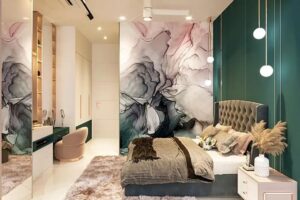
Aesthetics and design versatility also influence the decision making process. Modular furniture offers a wide selection of contemporary, classic, industrial, and minimalistic styles. Homeowners can choose from matte, glossy, textured, and wooden finishes that match modern interior trends. These finishes maintain consistency across the home or office, giving the space a polished and cohesive look. Traditional furniture tends to lean toward classic wooden designs, which appeal to certain tastes but may not offer the same extensive variety or modern appeal. For clients looking for sleek, stylish, and coordinated interiors, modular designs often provide more compelling options.
Another advantage of modular furniture is its ability to adapt to evolving lifestyle needs. Families grow, work from home habits change, and storage requirements increase over time. Modular units can be expanded, reconfigured, or redesigned without replacing the entire setup. Traditional furniture lacks this adaptability, making it harder to modify layouts or add components without extensive carpentry work. As urban homes become smaller and multifunctional spaces become more common, the adaptability of modular furniture gives it a clear edge.
Sustainability is also worth noting. Many modular manufacturers now use eco friendly materials, low VOC finishes, and energy efficient processes. Traditional carpentry, depending on material sources, may not always follow sustainable practices. Eco conscious homeowners and businesses therefore find modular furniture more aligned with modern environmental values.
In conclusion, the comparison between modular furniture and traditional furniture highlights a clear shift in consumer preference toward modern, practical, and long lasting solutions. While traditional furniture holds cultural and sentimental appeal, modular systems offer superior precision, durability, aesthetics, functionality, and convenience. As lifestyles, work cultures, and design standards continue to evolve, modular furniture stands out as a future ready choice for both homes and commercial spaces. Its engineering driven construction, design versatility, and long term value make it an investment that aligns perfectly with the needs of contemporary living.